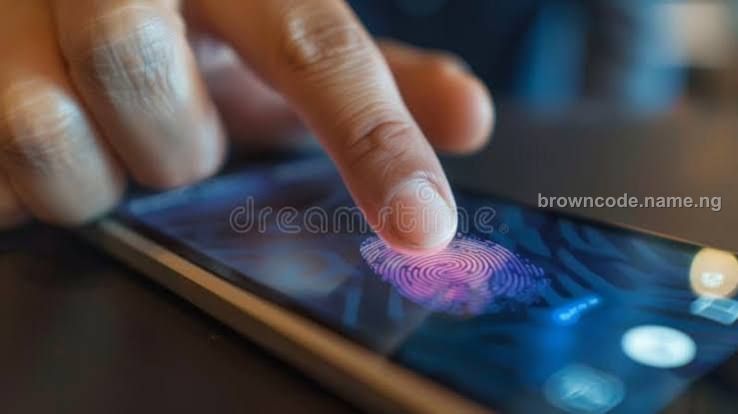
When banks introduced fingerprint login and facial recognition, most people felt a deep sense of security. Something that is literally part of your body cannot be stolen, right? The uncomfortable reality is that biometric security systems, while significantly more secure than simple passwords, carry their own exploitable weaknesses — and the criminal networks targeting financial accounts are already aware of them.
Your fingerprint is not a secret. You leave it on every surface you touch. The question is who is collecting it and what they plan to do with it.
How Fingerprints Get Compromised
High-resolution photographs of fingerprints lifted from surfaces have been successfully used to create silicone replicas capable of fooling certain fingerprint scanners. Security researchers have demonstrated this in controlled environments repeatedly. More concerning, massive biometric databases containing millions of fingerprints have been breached in government and corporate data leaks, including documented incidents affecting tens of millions of people.
Unlike a password, you cannot change your fingerprint after it has been stolen.
Facial Recognition Vulnerabilities
Facial recognition systems, particularly those using only 2D camera imaging rather than advanced 3D depth-mapping technology, have been successfully defeated using high-quality photographs printed on standard paper. More advanced deepfake video technology is now capable of fooling even sophisticated facial liveness detection systems.
Print photographs used to bypass basic facial recognition systems - Deepfake videos generated from social media images used against video verification - Identical twins defeating facial recognition consistently across multiple banking platforms
Voice Recognition: The Easiest Biometric to Fake
AI voice cloning technology can now reproduce a person's voice with disturbing accuracy using as little as three seconds of audio. Social media videos, YouTube appearances, or even a short recorded phone call provide enough voice data to generate a synthetic voice capable of passing basic voice authentication systems.
Layering Your Security Beyond Biometrics
Biometrics should be one layer of security, never the only layer.
Enable transaction limits that require additional verification for large transfers - Use a dedicated email address for banking that you use for nothing else - Set up in-person or callback verification for account changes with your bank - Regularly review all registered biometric data and authorized devices on your account
Conclusion
Biometric security is genuinely powerful and far superior to simple passwords alone. But it is not invincible. Treating it as your only line of defense creates a dangerous false sense of security. Layer your protection, stay informed about emerging vulnerabilities, and never assume any single security method is completely unbreakable.
Get new Security & Fraud alerts
One email when a new security & fraud article like this one goes live. No spam, unsubscribe anytime.