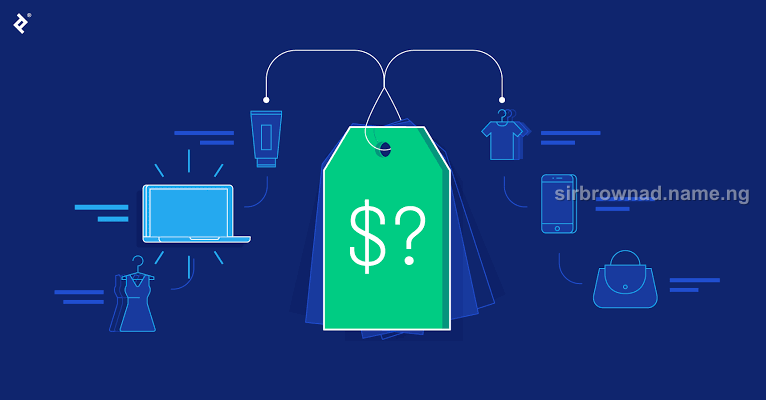
Pricing without a clear competitor to reference feels like guessing in the dark. Most new business owners respond to this uncertainty in one of two ways — pricing too low out of fear nobody will pay more, or pricing randomly with no real logic behind the number. Both create problems that are hard to fix later.
Why Underpricing Feels Safe But Isn't
New business owners often assume a lower price reduces risk — more people will say yes. In reality, underpricing creates a different risk: you can't survive on the margin, you attract customers who only care about price (and will leave the moment someone cheaper appears), and raising prices later feels harder than it should, because customers anchor to your first number.
The Three Real Inputs to Pricing
Your actual cost to deliver, including your time. Add up materials, time, tools, and any per-transaction fees (payment processing, delivery, etc.). Your price has to clear this number with room to spare — not just break even.
What the value is actually worth to the customer, not what it costs you. A service that saves someone significant time, money, or stress is worth pricing closer to that value, not just your input cost. This is where most underpricing happens — founders price based on their own cost, not the customer's actual benefit.
What similar value costs elsewhere, even indirectly. If there's no direct competitor, look at adjacent solutions — what does the customer currently spend solving this problem some other way (their time, an inferior alternative, doing it themselves)? That's your real reference point, even without a direct competitor.
A Practical Way to Set Your First Price
Calculate your true cost per unit or per job, including your time at a reasonable rate — not zero. Add your required margin on top — enough to actually reinvest and survive slow periods, not just cover costs.
Test that number with a small group of real potential customers, watching whether they hesitate, negotiate, or accept without resistance. Hesitation at this stage isn't necessarily a sign to lower your price — it might mean you haven't explained the value clearly enough yet.
Resist discounting as your default response to slow sales. If sales are slow, the underlying issue is often demand or messaging, not price — discounting treats the wrong symptom and trains customers to wait for discounts going forward.
Conclusion
Pricing without competitors isn't guessing — it's calculating your real cost, honestly valuing what you provide, and testing it against real customer behavior. The absence of a competitor to copy is actually an opportunity to price correctly from the start, instead of inheriting someone else's flawed number.
Get new Business Strategy alerts
One email when a new business strategy article like this one goes live. No spam, unsubscribe anytime.