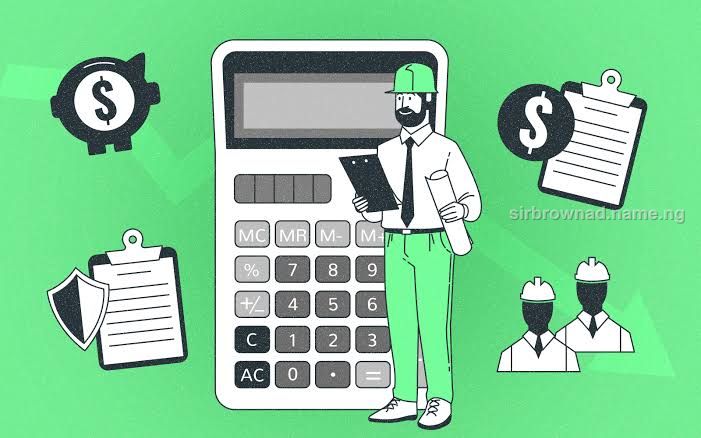
Ask a new business owner what it costs to start, and they'll usually quote you the price of inventory, a shop space, or initial equipment. That's only part of the real number — and the gap between the quoted cost and the actual cost is what quietly kills businesses in their first six months.
The Costs People Plan For
Stock or raw materials. Whatever you're physically selling or producing.
Rent or workspace. If you need a physical location.
Equipment. Tools, machines, a laptop, whatever your business physically requires to operate.
These are the visible, obvious costs — and they're rarely the ones that actually break a new business.
The Costs People Forget
Registration and compliance. CAC registration, relevant permits, and any industry-specific licenses. These are often small individually but add up, and skipping them creates bigger costs later when you need to formalize to access banking, partnerships, or larger clients.
Banking and payment processing fees. Every transaction through a payment processor takes a cut. Over a year, these fees are a real, recurring cost — not a rounding error — and should be priced into what you charge, not absorbed silently.
Marketing to get your first customers. Nobody finds a new business by accident. Whether it's paid ads, content, or simply your own time spent promoting, customer acquisition has a real cost even if no money changes hands — your time has a value too.
The cost of your own unpaid time. Most new business owners don't pay themselves a salary in the early months, which feels like "free," but it isn't. If you spent that time elsewhere, it would have value. Underestimating this leads to burnout disguised as low overhead.
Running costs while waiting for revenue. The gap between when you start spending money and when revenue becomes consistent is rarely zero. Most new businesses need a runway of several months minimum before income stabilizes — and many founders don't budget for this gap at all.
How to Build a Realistic Starting Budget
List every cost above specifically for your business, even the ones that feel small. Small recurring costs compound faster than large one-time costs.
Add a buffer of at least 30% on top of your total estimate. New businesses almost always discover costs they didn't anticipate — packaging, transport, small repairs, unexpected fees.
Calculate your runway, not just your starting cost. Ask: if revenue is slower than expected for three months, do I have enough to survive that period? If the honest answer is no, that's the real risk in your plan, not the idea itself.
Conclusion
Most businesses don't fail because the idea was bad — they fail because the real cost of operating was never fully counted, and the business ran out of room to survive its own early months. Count everything, then add a buffer, before you commit.
Get new Business Strategy alerts
One email when a new business strategy article like this one goes live. No spam, unsubscribe anytime.