I Cloned My Own Voice With AI in 3 Minutes: How the Voice Clone Scam Works in Nigeria and How to Catch It
I typed a sentence I never said and heard it come back in my own voice, with my Abuja accent. It took three minutes. Sir Brown AD shows how scammers clone voices from TikTok clips and WhatsApp voice notes, and the five tests that catch a fake.
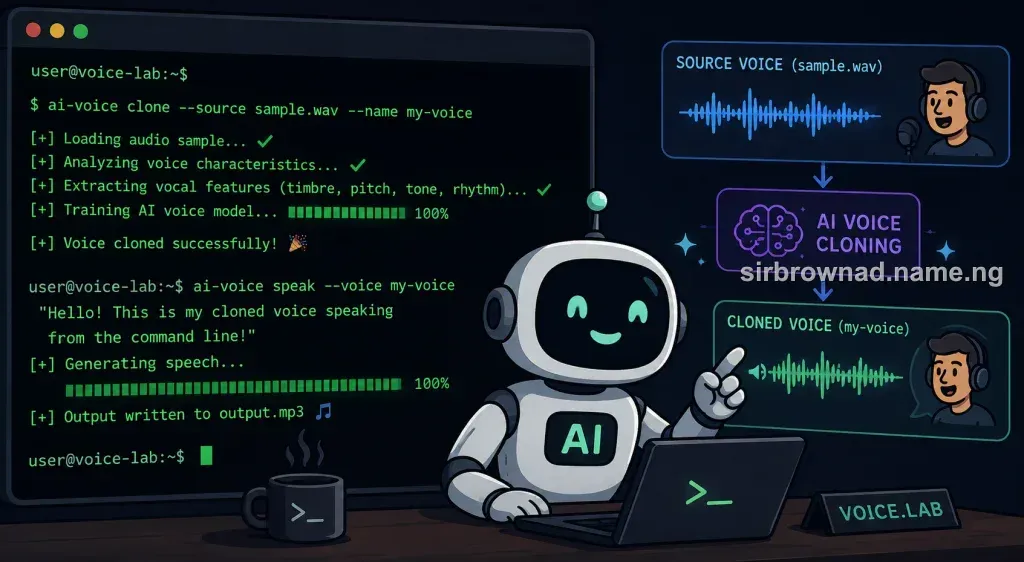
I just heard my own voice say something I never said.
I typed: Mummy, my phone fell inside water, please send 50k urgently. My AI clone said it, in my voice, with my Abuja accent and my pauses. It took me about three minutes.
This is not a joke. This is how families are being defrauded. The scammer no longer needs to hack your phone. He only needs a short clip of your son's voice from TikTok, and a voice note sent to your mother at 11 PM.
I ran this experiment on my own voice, for education. I did not clone anyone else, and you should not either.
Your voice used to be proof that it was really you. Today it is just another file that can be copied.
What Is AI Voice Cloning?
AI voice cloning is when software learns how you sound from a short audio clip, then produces new speech in your voice from any text typed in.
Think of handwriting forgery. Before, someone could copy your signature if they had seen it. Now software can copy your voice if it has heard enough of it. Tools like ElevenLabs, Play.ht and Descript were built for good reasons: podcasters, video creators, people who have lost their voice. Like many useful tools, they can be abused.
How Scammers Get Your Voice (You May Be Giving It Away)
You do not need to be famous. A clear clip of under a minute can be enough for some tools, and more audio usually gives a better copy. Here is where it comes from:
Public TikTok, Facebook, Instagram and YouTube videos where you speak
WhatsApp voice notes in church, school, estate and family groups. If one member's phone is compromised or someone forwards the audio, your voice leaves the group
Voice notes sent to people you barely know, such as customers, clients or new contacts
The Can You Hear Me call: an unknown number calls, asks if you can hear them, and you answer. A few seconds of your voice has been recorded. A short clip alone is not always enough for a good clone, but there is no reason to hand it over
My Experiment: Cloning My Own Voice
I want to show you the process in outline so you understand the danger. I am deliberately not naming a step-by-step recipe.
New Updates

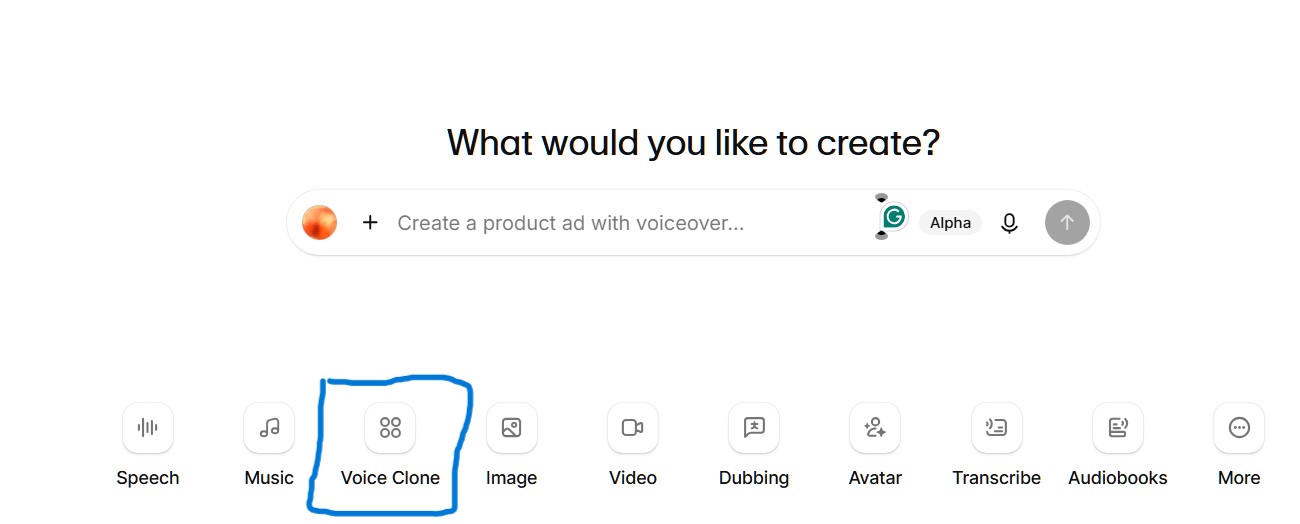
I recorded about two minutes of myself in a quiet room, reading a simple script: My name is Sir Brown AD, I am from Abuja, Nigeria. This is my voice, I am recording it for a security awareness test.
I used a popular voice platform with an instant voice clone feature. It asked me to confirm that the voice was mine and that I had permission to clone it. That is a useful ethical check, but it only stops people who are honest
I uploaded the clip, and in under a minute I had a voice model
I typed a sentence I never said, clicked generate, and heard Sir Brown AD asking for money
If that audio reached my own mother in the middle of the night with a panicked story, she might believe it. That is the point of this article.
How the Scam Happens in Real Life
Here is the pattern, using my own name as the example:
A scammer finds a video of Sir Brown AD speaking on social media and copies the audio
He gets a new SIM, opens a WhatsApp account, and uses my profile photo
At night he messages my mother: Mummy, it is me, my phone got stolen, I am using a friend's phone, I am stranded
To remove doubt, he sends a generated voice note in my voice: Mummy, please send 40k to this account, I am at the police station
My mother hears her son. She panics. She sends the money
By the time she calls my real number the next morning, the money has moved on.
The technology is new. The script is not. It is the same urgency, borrowed trust and pressure to act before you verify that we have covered in articles on fake alerts, SIM swaps and the psychology of urgency. The voice just makes it more convincing.
5 Tests That Help You Catch a Fake Voice Note
No single test is perfect, because the technology keeps improving. Use them together, and always put verification above how real it sounds.
The Call-Back Rule (the most important)
Tell the new number you will call back. Hang up. Then call the number already saved in your phone for that person. If the real person answers and is safe, you have caught the scam. If their phone is off, try other family members or friends who may be with them. Do not send money in the meantime.
The Secret Question Test
Ask something only the real person would know, such as what you ate last Sunday, the name of a childhood pet, or a family nickname. Better still, agree on a family safe word now, before anything happens. A scammer working from a clone does not know the answer, and a stalling or vague reply is a warning.
The Too-Clean Test
Real voices are messy. People breathe, hesitate, say ehm, and stumble when frightened. Some cloned audio sounds unusually smooth, or has odd rhythm and flat emotion. Treat this as a clue, not proof, because good clones can sound natural.
The Background Noise Test
A real emergency usually has noise: traffic, people, wind. A voice note with no background at all, supposedly from a police station or bus park, is suspicious.
The Urgency Test
Scammers rush you. Send now, do not tell anybody, do not call anybody. A real family emergency allows you to ask questions and call other people. Anyone who tells you to keep it secret and move fast is following a script.
THE MOMENT A VOICE NOTE ASKS YOU FOR MONEY, THE VOICE STOPS BEING EVIDENCE. VERIFY THROUGH A SEPARATE CHANNEL.
How to Protect Your Voice Online
You cannot stop speaking, but you can reduce the supply of clean audio:
Review who can see your videos on TikTok, Instagram and Facebook. Make older videos private if you do not need them public
Avoid saying your full name, location and family details in the same public clip
Do not answer unknown calls with long sentences. Let the caller speak first, and hang up on anyone who asks Can you hear me and nothing else
In WhatsApp, check Settings, Storage and data, Media auto-download, and consider turning off auto-download for audio on mobile data, especially for large groups
Be careful with voice notes to unknown contacts. Text is safer for new people
Set up a family safe word, and tell your parents and elders what voice cloning is
Keep your phone and apps updated, and be careful with unknown apps that ask for microphone access
If You Have Already Sent Money
Call your bank or fintech support immediately using the official number, and ask for the receiving account to be flagged. Report it to the police or the EFCC, keeping screenshots, the voice note, the phone number and the account details. Speed matters, and so does reporting. Our article on recovering after bank fraud covers the first hours in more detail.
Conclusion
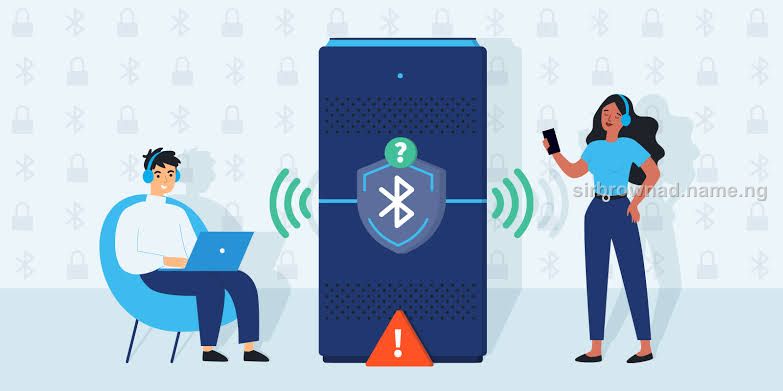
My experiment taught me one thing: your voice is no longer a password, and it is easier to copy than most people realise. Bluetooth cannot empty your account by itself, as we explained in our Bluetooth article, but a convincing voice can empty it through the people who love you. The defence is not fear. It is a habit: when a voice asks for money, call back on a number you already trust.
If this helped you, forward it to your family WhatsApp group. Most victims are parents who have never heard of voice cloning. One message today could save someone 50k tomorrow.
Platforms like Sir-AD Blog (sirbrownad.name.ng) will keep explaining how new scams work in plain language, because awareness before the attack is the cheapest protection there is.
Get new Security & Fraud alerts
One email when a new security & fraud article like this one goes live. No spam, unsubscribe anytime.
Join my WhatsApp channel
Get new articles, fraud alerts and web security tips straight to your phone.
Found this useful? Share it.
Someone you know may be about to fall for a scam or make a costly mistake. Send them this.
This article was originally written and published by Sir Brown AD.
Advertise with us
Sir Brown AD
Keep reading, or tell me about what you're building.
Discussion